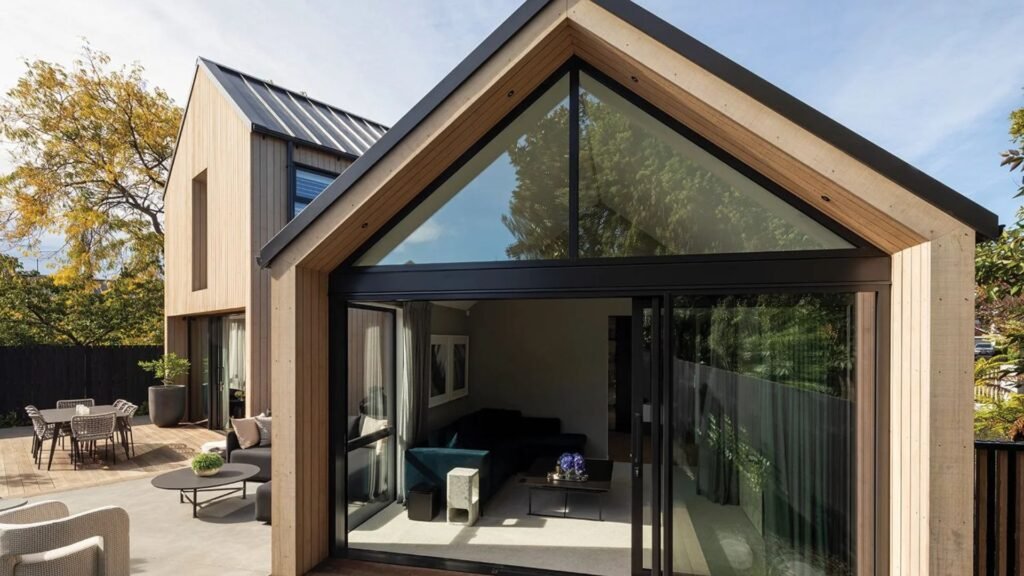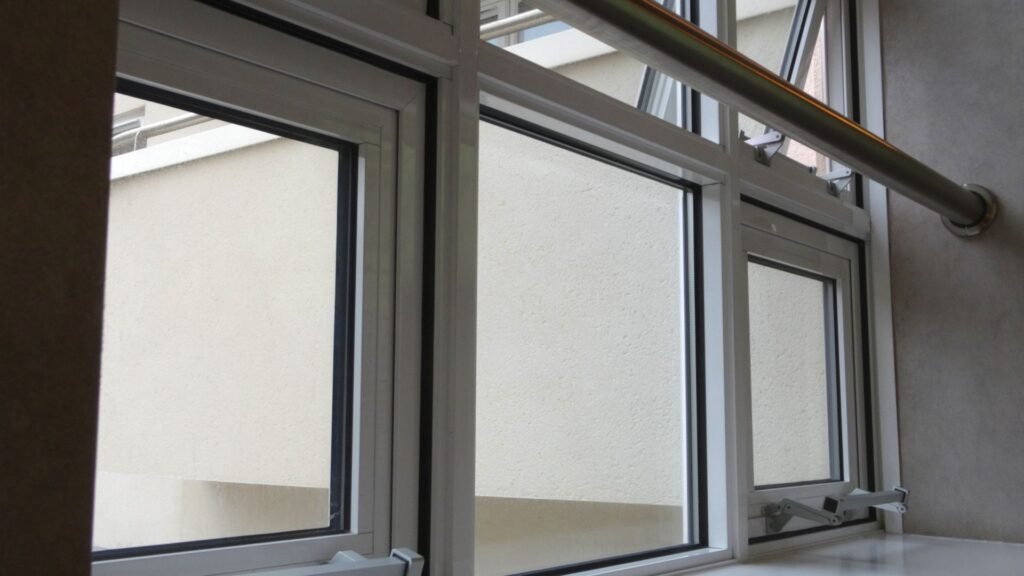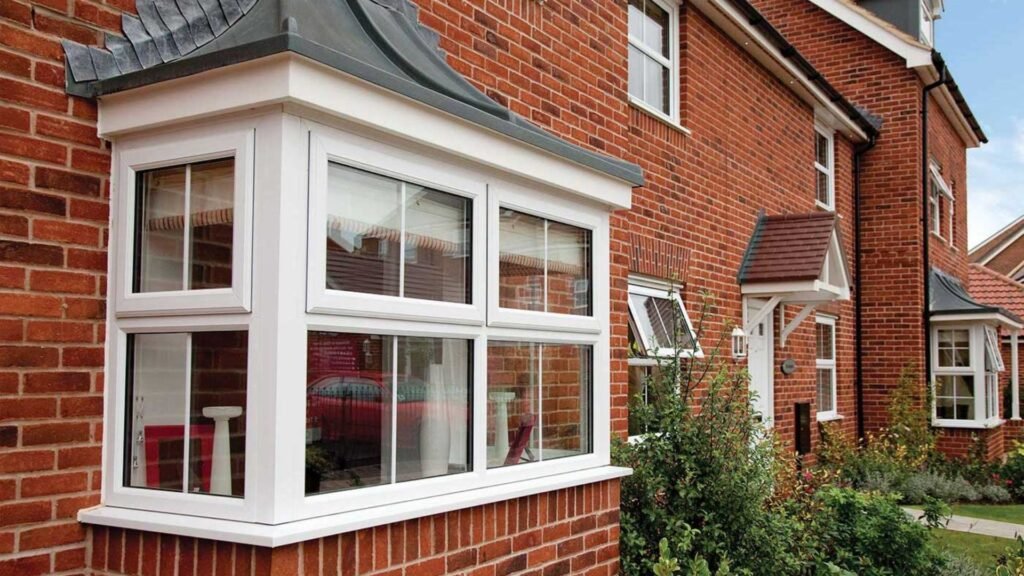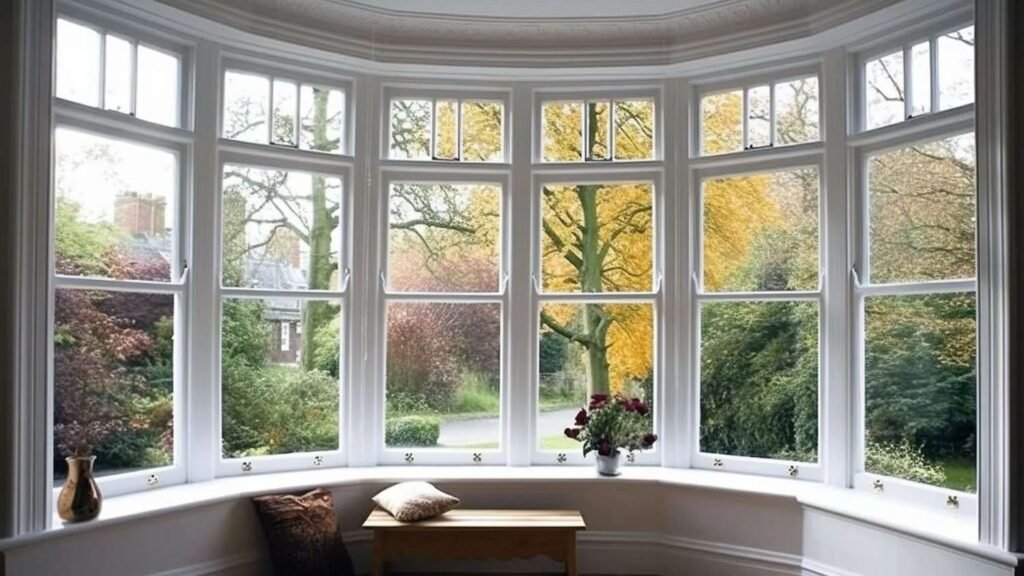
Welcome to your complete guide to choosing between timber and aluminium windows in Hamilton—a decision that goes far beyond looks alone. With Hamilton’s changing seasons, moisture levels, and growing focus on energy efficiency, the right window material can make a real difference to your home’s comfort, maintenance, and long-term value. Whether you’re building new, renovating, or replacing old windows, this guide breaks down the real-world pros and cons of timber vs aluminium windows so you can make a confident, informed choice that suits your home, lifestyle, and budget.
Timber vs aluminium windows in Hamilton comes down to lifestyle, budget, and performance needs. Timber windows offer natural insulation, warmth, and classic aesthetics but require more maintenance over time. Aluminium windows are low-maintenance, durable, and ideal for modern homes, especially when fitted with thermal breaks for improved energy efficiency. For Hamilton homeowners, the best choice depends on climate exposure, home style, and how much upkeep you’re willing to manage.
Table of Contents
Why Window Material Matters in Hamilton
Choosing the right window material is more than a design preference for Hamilton homeowners. It directly affects comfort, durability, and long-term value. Based on what we commonly see in Hamilton homes, local weather conditions place specific demands on window frames that make material choice especially important. Factors like moisture, temperature changes, and seasonal cooling all influence how well windows perform over time.
How Hamilton’s Weather Impacts Window Performance
Hamilton’s climate includes cool, damp winters, warm summers, and consistent humidity throughout the year. These conditions can affect window materials in different ways and often reveal weaknesses over time.
- Temperature fluctuations: Changes between cooler nights and warmer days can cause window frames to expand and contract, which may impact seals and overall performance if materials are not well suited.
- Humidity exposure: Ongoing moisture in the air can accelerate wear, particularly in frames that are poorly protected or not designed for damp environments.
- Sun exposure: Prolonged UV exposure can fade finishes and affect surface coatings, especially on windows that receive direct sunlight.
In many Hamilton homes, materials that cope well with both moisture and temperature shifts tend to maintain performance and appearance for longer.
Insulation Needs During Hamilton’s Cooler Months
As temperatures drop in winter, insulation becomes a key concern for homeowners. Window materials play a significant role in how well a home retains heat and stays comfortable.
- Thermal performance: Well-insulating materials help reduce heat loss and minimise cold drafts around window areas.
- Indoor comfort: Better-performing frames support more consistent temperatures in living spaces and bedrooms.
- Energy efficiency: Improved insulation can reduce reliance on heating, helping manage power costs during colder months.
What we often see in Hamilton homes is that even high-quality glazing can underperform if the window frames themselves are not providing adequate insulation.
Moisture Resistance and Long-Term Longevity
Moisture is one of the most common challenges for windows in the Hamilton region. Over time, exposure to damp conditions can affect durability and lifespan.
- Resistance to water exposure: Some materials naturally handle moisture better without degrading or losing structural integrity.
- Risk of deterioration: Ongoing dampness can lead to swelling, corrosion, or surface damage if materials are not well protected.
- Longevity: Window materials with strong moisture resistance generally require fewer repairs and last longer.
This is especially noticeable in older Hamilton homes or properties with limited sun exposure, where moisture-related issues are more common.
Maintenance Expectations for Hamilton Homeowners
Maintenance is a practical factor that often influences satisfaction with windows over time. Different materials come with different upkeep requirements, which should be considered early.
- Regular upkeep: Some window materials need periodic repainting, sealing, or surface treatment to stay in good condition.
- Low-maintenance options: Other materials are designed to withstand local conditions with minimal ongoing care.
- Long-term planning: Understanding maintenance needs upfront helps homeowners avoid unexpected costs and effort later on.
From our experience working with Hamilton homes, homeowners who choose materials that match their lifestyle and maintenance preferences tend to be happier with their decision in the long run.
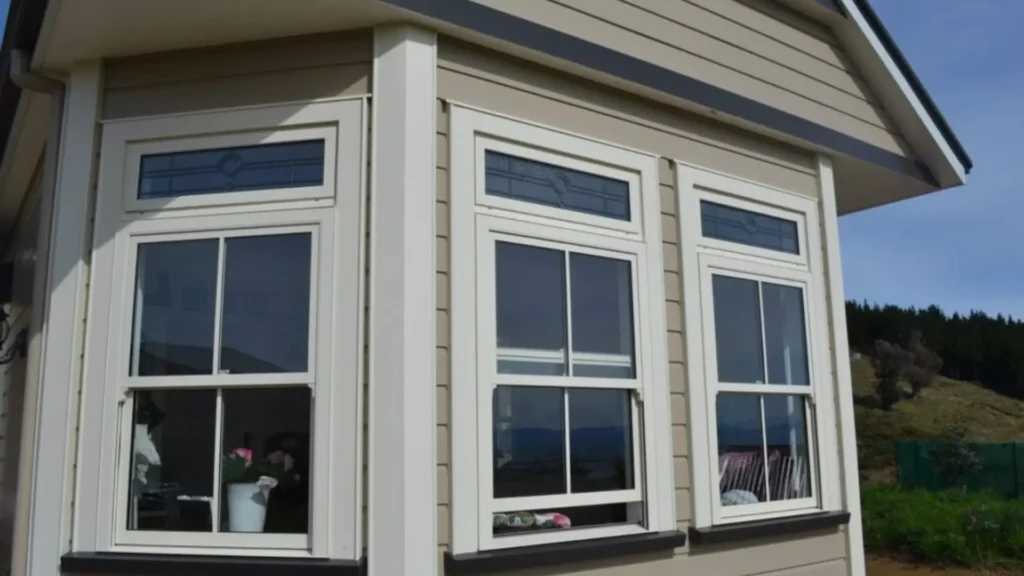
Overview: Timber Vs Aluminium Windows
Choosing between timber and aluminium windows is one of the most common decisions homeowners face when planning a build or renovation. Both materials are widely used in Hamilton homes and each offers distinct advantages depending on your priorities. Before diving into detailed comparisons, it helps to understand what sets these window types apart at a high level and why one may suit your home better than the other.
What Are Timber Windows
Timber windows are made from natural wood and are often associated with traditional craftsmanship and timeless design. They have been used in homes for generations and remain popular in character properties and high-end renovations. Timber frames naturally insulate well and bring warmth and texture that many homeowners find appealing, especially in living areas where comfort and aesthetics matter most.
What Are Aluminium Windows
Aluminium windows are constructed from lightweight metal frames, typically finished with a durable powder coating. They are widely used in modern homes across Hamilton due to their strength, clean lines, and low maintenance requirements. Aluminium frames are resistant to moisture and warping, making them a practical choice for homeowners who want long-lasting performance with minimal upkeep.
Key Differences Between Timber and Aluminium Windows
While both options serve the same purpose, they differ significantly in how they perform and how they fit into a home’s design and lifestyle needs.
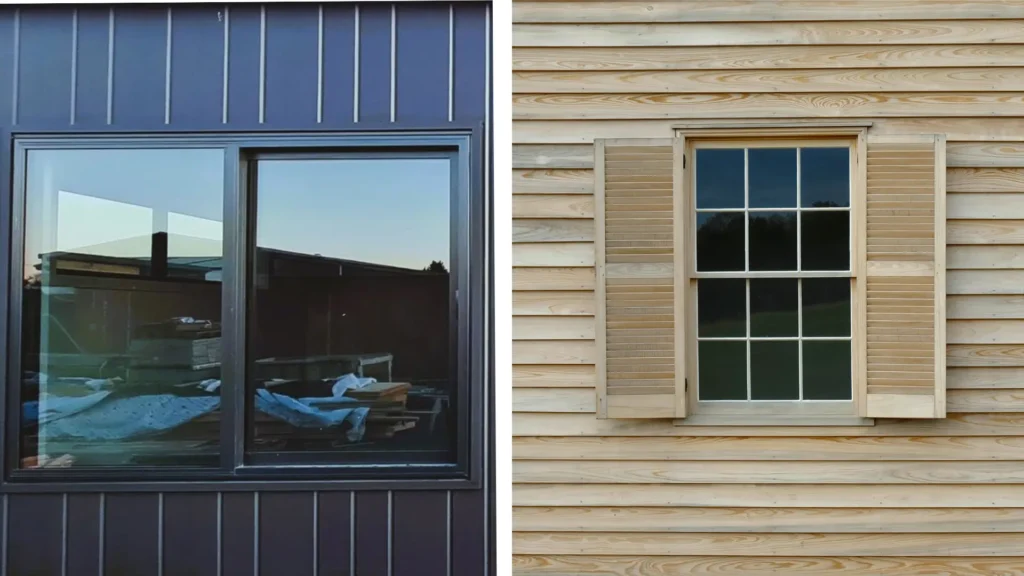
- Style: Timber windows offer a classic, natural look that suits character homes and traditional designs, while aluminium windows provide a sleek, modern appearance that complements contemporary architecture.
- Durability: Aluminium frames are highly resistant to weather exposure and do not rot or warp, whereas timber can be extremely durable but relies on regular maintenance to stay in good condition.
- Maintenance: Timber windows require periodic painting or sealing, while aluminium windows need only basic cleaning to maintain their appearance.
- Cost: Timber windows generally come with a higher upfront cost, while aluminium windows are often more budget-friendly initially and over the long term.
Where Each Window Type Tends To Shine
Both materials perform well in the right context, and many homeowners choose based on how they plan to live in their space.
- Timber Windows: Ideal for heritage homes, renovations where aesthetics are a priority, and homeowners who value warmth, character, and natural materials.
- Aluminium Windows: Well suited to new builds, low-maintenance lifestyles, rental properties, and homes exposed to higher moisture levels.
Understanding these core differences makes it easier to evaluate which option aligns best with your home, budget, and expectations. In the next sections, we will explore each window type in more detail so you can make a confident and informed decision that suits your Hamilton home.
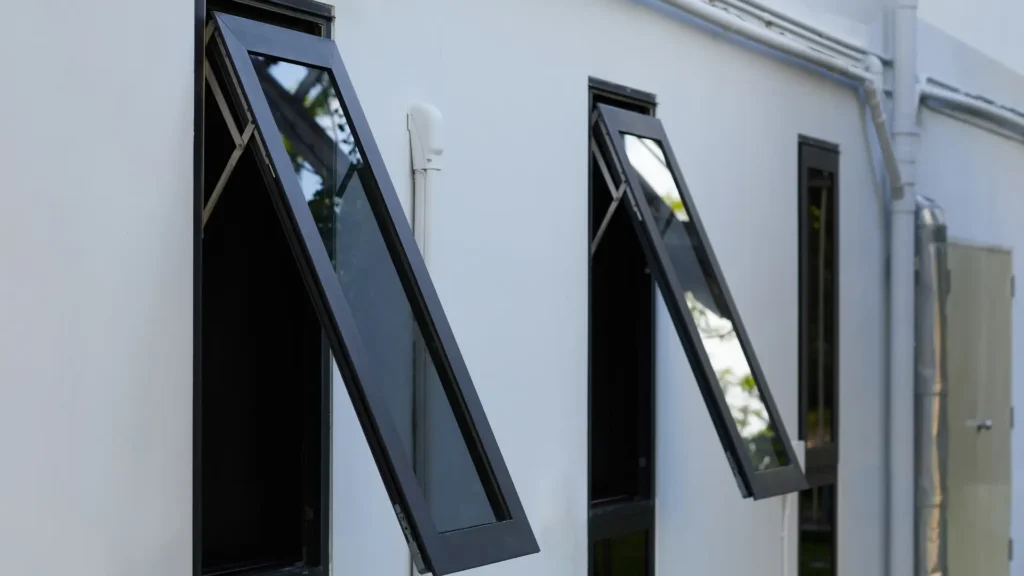
Timber Windows: Pros, Cons & Best Use Cases
Timber windows remain a popular choice for homeowners who value character, craftsmanship, and long-term comfort. In Hamilton, where homes range from classic villas to carefully restored character properties, timber windows continue to play an important role. Understanding what timber windows offer, along with their limitations, helps homeowners decide whether they are the right fit for their property and lifestyle.
What Are Timber Windows?
Timber windows are window frames made from natural wood, often crafted from durable timber species designed to handle New Zealand’s climate when properly treated. They have been used in residential construction for generations and are especially common in older and architecturally distinctive homes.
Key characteristics of timber windows include:
- Material: Solid or engineered natural wood frames, often painted or stained for protection
- Appearance: A traditional, premium look that adds warmth and character
- Common use: Frequently found in character homes, heritage properties, and high-end renovations
Because timber is a natural material, no two frames are exactly the same. This subtle variation is one of the reasons many homeowners are drawn to timber windows, particularly when maintaining the original style of a home matters.
Advantages Of Timber Windows
Timber windows offer several benefits that continue to make them appealing, even with modern alternatives available. These advantages often relate to comfort, aesthetics, and flexibility in design.
- Natural insulation properties: Timber is a natural insulator, meaning it does not conduct heat or cold as readily as metal. This helps reduce heat loss in winter and can contribute to a more comfortable indoor environment when paired with quality glazing.
- Warm, timeless appearance: Timber frames add visual warmth that many homeowners feel aluminium cannot replicate. They suit both traditional architecture and modern homes that aim for a softer, more natural finish.
- Customization and design flexibility: Timber can be shaped, sized, and detailed more easily than many other materials. This makes it ideal for custom window designs, retrofits, and matching existing frames in renovations.
- Sustainability when responsibly sourced: When timber comes from certified, sustainably managed forests, it can be an environmentally responsible choice. Wood is renewable and has a lower embodied energy compared to some manufactured materials.
For homeowners who care about both aesthetics and comfort, these advantages often outweigh the extra effort timber windows require.
Disadvantages Of Timber Windows
A balanced comparison also means being honest about the downsides of timber windows. While they offer many benefits, they are not a low-maintenance option and may not suit every household.
- Higher maintenance requirements: Timber frames need regular painting, staining, or sealing to protect them from weather exposure. Skipping maintenance can lead to deterioration over time.
- Susceptibility to moisture if not maintained: In areas with higher humidity or rainfall, untreated or poorly maintained timber can absorb moisture, leading to swelling, cracking, or rot.
- Higher upfront cost: Timber windows generally cost more initially than aluminium options due to materials, craftsmanship, and installation requirements.
- Longevity depends on care: Well-maintained timber windows can last for decades, but their lifespan is closely tied to how consistently they are looked after. Neglect can significantly shorten their useful life.
These factors are important for homeowners to consider honestly, especially when budgeting for long-term ownership rather than just installation.
When Timber Windows Make Sense In Hamilton
Despite the maintenance involved, timber windows remain a preferred option for many Hamilton homeowners because they suit certain homes and priorities exceptionally well.
- Character homes: Villas, bungalows, and heritage-style homes often rely on timber windows to maintain their original charm and comply with restoration expectations.
- Renovations where aesthetics matter: Homeowners investing in visual appeal and architectural detail often choose timber for its authenticity and design flexibility.
- Homeowners willing to maintain: Those who are comfortable with periodic upkeep, or who see maintenance as part of protecting their investment, tend to be happier with timber windows long term.
Many Hamilton homeowners still choose timber because they value the look, feel, and comfort it brings to a home. For them, the upkeep is seen not as a drawback, but as a reasonable trade-off for preserving character, improving insulation, and enhancing the overall living experience.
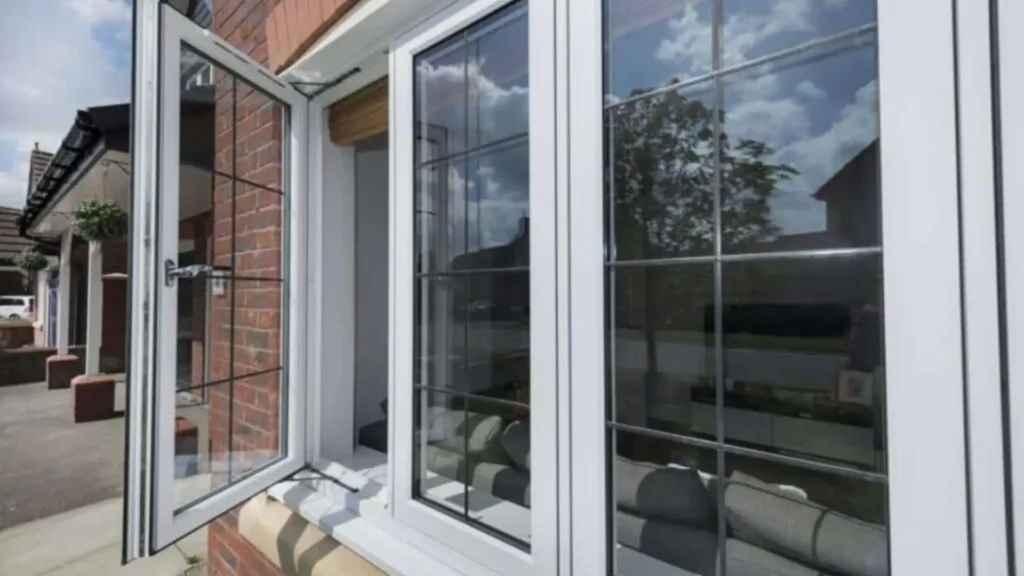
Aluminium Windows: Pros, Cons & Best Use Cases
Aluminium windows are one of the most popular window choices for homes across Hamilton and the wider Waikato region. Known for their durability, modern appearance, and low maintenance requirements, they appeal to homeowners who want long-term performance without ongoing upkeep. Understanding how aluminium windows perform in real-world conditions helps clarify whether they are the right fit for your home.
What Are Aluminium Windows?
Aluminium windows are window frames made from lightweight but strong metal, typically finished with a protective powder-coated surface. This coating adds colour, resists corrosion, and helps the frames withstand changing weather conditions common in Hamilton. Aluminium windows are widely used in New Zealand homes, particularly in newer builds and renovations that prioritise clean lines and modern design. They are available in both thermal and non-thermal options, allowing homeowners to choose based on energy efficiency needs and budget.
Key characteristics include:
- Powder-coated metal frames: Resistant to rust, fading, and peeling over time.
- Common in modern NZ homes: Favoured for contemporary architecture and renovations.
- Thermal and non-thermal options: Thermally broken frames improve insulation and indoor comfort.
Advantages Of Aluminium Windows
Aluminium windows offer several practical benefits that make them a reliable choice for many Hamilton homeowners, especially those looking for durability and convenience.
The main advantages include:
- Low maintenance: Aluminium does not rot, warp, or require regular painting, making it ideal for homeowners who prefer minimal upkeep.
- Durability in varied weather: These frames handle moisture, temperature changes, and strong sunlight well, which suits Hamilton’s variable climate.
- Sleek, modern appearance: Slim frames allow for larger glass areas, bringing in more natural light and supporting modern design preferences.
- Generally more affordable upfront: Aluminium windows often cost less initially than timber alternatives, particularly for standard sizes.
- Thermally broken options for insulation: Thermal breaks reduce heat transfer, improving energy efficiency and helping maintain indoor comfort year-round.
Disadvantages Of Aluminium Windows
While aluminium windows are practical, they are not without drawbacks. A balanced understanding helps homeowners make informed decisions rather than choosing based on convenience alone.
Potential downsides include:
- Potential heat transfer: Non-thermal aluminium frames can allow heat to escape in winter and enter in summer, affecting comfort and energy bills.
- Less warm appearance than timber: Some homeowners feel aluminium lacks the natural warmth and character of timber windows.
- Environmental considerations: Aluminium production can be energy-intensive, although recyclability helps offset some environmental impact over time.
Choosing thermally broken frames and quality glazing can address many of these concerns, especially in cooler or moisture-prone areas.
When Aluminium Windows Make Sense In Hamilton
Aluminium windows are particularly well-suited to certain homes and lifestyles in Hamilton. Their performance and low maintenance nature align well with modern living and local environmental conditions.
They are often the right choice for:
- New builds: Popular with architects and builders for their clean look and structural strength.
- Rental properties: Durable and low maintenance, reducing long-term repair and upkeep costs.
- Busy homeowners wanting low maintenance: Ideal for those who prefer not to repaint or reseal windows regularly.
- Coastal-adjacent or high-moisture areas: Aluminium resists moisture and corrosion better than many other materials, making it practical for damp environments.
In summary, aluminium windows offer a practical balance of durability, affordability, and modern design for many Hamilton homes. When chosen with the right thermal options and glazing, they can deliver comfort, reliability, and long-term value while keeping maintenance demands to a minimum.
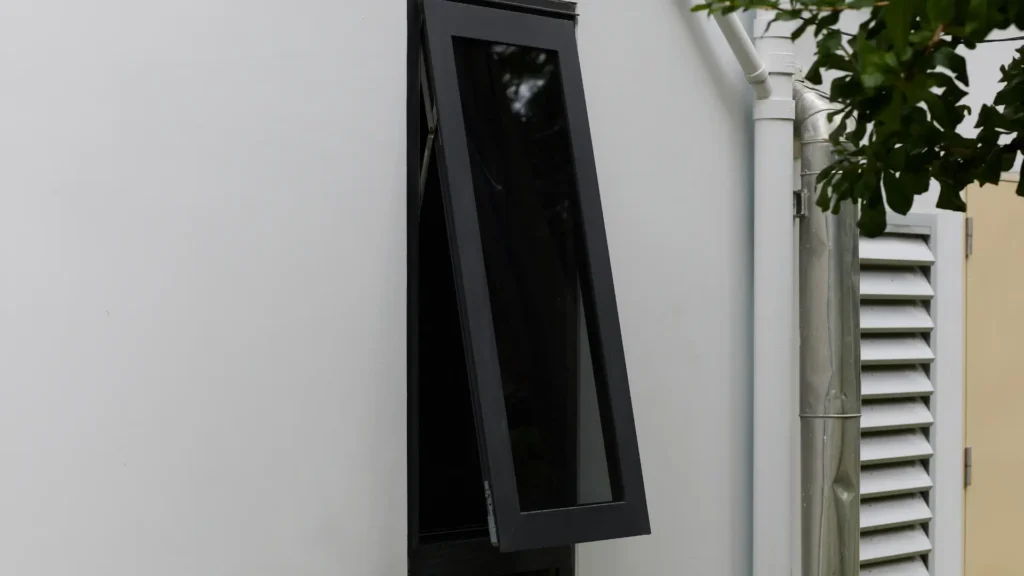
Timber Vs Aluminium Windows: Side-by-Side Comparison
Choosing between timber and aluminium windows is easier when the differences are laid out clearly. Below is a practical comparison to help Hamilton homeowners quickly see how each option performs across the factors that matter most in day-to-day living.
- Appearance And Style:
Timber windows are valued for their natural warmth and character. They suit traditional homes, villas, and renovations where a classic or premium look is important. Timber can be painted or stained, making it easy to match existing interiors or heritage features. Aluminium windows offer a more modern, streamlined appearance with slim frames and clean lines. They are commonly chosen for contemporary homes and renovations aiming for a minimalist or architectural finish. - Insulation And Energy Efficiency:
Timber is a natural insulator, which helps reduce heat loss and maintain indoor comfort during cooler Hamilton winters. Aluminium frames conduct heat more easily, but modern aluminium windows often include thermal breaks that significantly improve energy performance. When paired with double glazing, both timber and aluminium windows can meet energy efficiency expectations for Hamilton homes. - Maintenance Requirements:
Timber windows require ongoing care to stay in good condition. This usually includes repainting or resealing over time to protect against moisture and wear. Aluminium windows are much easier to maintain, typically needing only basic cleaning. Their powder-coated finishes are designed to withstand weather exposure with minimal effort from homeowners. - Durability And Lifespan:
Aluminium windows are highly durable and resistant to warping, cracking, or swelling. This makes them a long-lasting option with consistent performance over time. Timber windows can also last for decades, but their longevity depends on regular maintenance. Without proper care, timber may deteriorate faster in damp conditions. - Cost Short And Long Term:
Aluminium windows generally have a lower upfront cost, making them attractive for budget-conscious projects. Timber windows usually cost more initially due to material quality and craftsmanship. Over the long term, timber may require additional maintenance expenses, while aluminium often proves more cost-effective due to its low upkeep and durability. - Sustainability:
Timber can be a sustainable choice when sourced from responsibly managed forests, as it is a renewable material. Aluminium production requires more energy, but aluminium is highly recyclable and has a long lifespan. Both materials can be environmentally responsible options depending on sourcing, manufacturing, and how long the windows are expected to last. - Suitability For Hamilton Climate:
Hamilton’s climate includes humidity, rainfall, and temperature changes throughout the year. Timber performs well thermally but needs proper maintenance to handle moisture exposure. Aluminium windows are well suited to these conditions because they resist moisture and temperature fluctuations, especially when thermally broken frames are used.
Ultimately, comparing timber vs aluminium windows in Hamilton comes down to balancing appearance, maintenance, and long-term value. By understanding how each material performs in real conditions, you can choose a window option that fits your home, lifestyle, and expectations with confidence.
Cost Considerations For Hamilton Homeowners
When comparing timber and aluminium windows, cost is often one of the biggest deciding factors for Hamilton homeowners. While price should never be the only consideration, understanding how different costs add up over time helps you make a decision that feels right both now and in the long run.
Typical Price Ranges
The overall cost of new windows can vary widely depending on the material, design, and performance requirements. In general, aluminium windows tend to have a lower upfront cost, especially for standard sizes and modern designs commonly used in new builds. Timber windows usually sit at a higher price point due to the quality of materials, craftsmanship, and finishing involved.
Rather than focusing on exact figures, it is more helpful to think in terms of relative investment. Aluminium windows are often chosen for their affordability and consistency, while timber windows are seen as a premium option that prioritises aesthetics and natural insulation.
Installation Considerations
Installation costs are an important part of the overall budget and are sometimes overlooked. The complexity of the installation can influence the final price just as much as the window material itself.
Key factors that affect installation costs include:
- Home age and structure: Older homes or character properties may require more preparation or custom fitting.
- Window size and shape: Larger or non standard designs usually take more time and skill to install.
- Replacement vs new build: Retrofitting windows into an existing home often costs more than installing them in a new build.
- Glazing requirements: Double or triple glazing adds to both material and installation costs.
A professional installer will assess these factors before providing an accurate quote, which helps avoid surprises later.
Long Term Maintenance Costs
Long term maintenance is where the cost difference between timber and aluminium windows becomes more noticeable over time. Aluminium windows are well known for being low maintenance. Occasional cleaning and basic checks are usually all that is required to keep them in good condition.
Timber windows, on the other hand, require regular care to protect them from moisture, sun exposure, and general wear. This may include repainting or resealing at intervals. While this maintenance adds ongoing costs, many homeowners feel the visual appeal and warmth of timber justify the extra effort.
Value Vs Upfront Investment
Choosing between timber and aluminium windows often comes down to balancing upfront cost with long term value. Aluminium windows appeal to homeowners who want durability, minimal maintenance, and predictable expenses over time. Timber windows attract those who are willing to invest more initially in exchange for character, natural insulation, and a premium finish.
It is also worth considering resale value. In some homes, especially character or architecturally designed properties, timber windows can enhance overall appeal and perceived value. In modern or low maintenance focused homes, aluminium windows may be more attractive to future buyers.
What Influences Final Pricing
It is important to understand that there is no one size fits all price for windows. Costs can change significantly based on:
- Home size: More windows or larger openings increase overall cost.
- Window design: Custom shapes, finishes, and hardware affect pricing.
- Glazing type: Energy efficient glazing options add value but also increase cost.
- Site conditions: Access, height, and structural requirements can impact installation.
Because of these variables, working with a local specialist who understands Hamilton homes and building conditions is the best way to get accurate, relevant advice.
Energy Efficiency & Comfort: What Matters Most
When comparing timber vs aluminium windows in Hamilton, energy efficiency and everyday comfort are often the deciding factors. Most homeowners are not just looking at materials in isolation. They want warmer rooms in winter, cooler spaces in summer, and power bills that stay under control year after year. Understanding how windows actually perform in real homes makes it much easier to choose with confidence.
The Role of Glazing in Window Performance
Glazing plays a bigger role in energy efficiency than many people realise, regardless of whether the frame is timber or aluminium. In Hamilton’s climate, the type of glass used can significantly affect heat retention and indoor comfort.
- Double glazing:
Double-glazed windows use two panes of glass with a sealed air or gas-filled gap between them. This design slows down heat transfer, helping keep warm air inside during winter and reducing heat gain in summer. For most Hamilton homes, double glazing offers a strong balance between performance and cost. - Triple glazing:
Triple glazing adds a third pane of glass, providing even greater insulation. While it can further improve warmth and reduce outside noise, the added cost is not always necessary for every home. Triple glazing is usually best suited for homeowners prioritising maximum energy efficiency or building to very high performance standards.
The key takeaway is that glazing choice often has a greater impact on comfort than frame material alone.
Thermal Breaks in Aluminium Windows
Aluminium is a strong and durable material, but on its own it conducts heat easily. This is where thermal breaks become essential for energy efficiency.
- What thermal breaks do:
A thermal break is an insulating barrier placed between the inner and outer sections of an aluminium frame. It reduces heat transfer, preventing warmth from escaping in winter and entering in summer. - Why it matters in Hamilton homes:
Thermally broken aluminium windows perform far better than older or non-thermal frames, especially during colder months. They help maintain stable indoor temperatures and reduce condensation, which is a common concern in many New Zealand homes.
With proper thermal breaks, aluminium windows can deliver comfort levels comparable to other premium window options.
Timber’s Natural Insulation Benefits
Timber windows are naturally insulating, which is one of their biggest advantages when it comes to comfort.
- Low heat conductivity:
Wood does not conduct heat as easily as metal, helping timber frames retain warmth inside the home. This can make rooms feel more comfortable without relying heavily on heating. - Consistent indoor temperatures:
Timber frames help reduce cold spots around windows, contributing to a more even temperature throughout living spaces. This is especially noticeable in older or character homes where comfort upgrades are a priority.
When combined with quality glazing, timber windows can offer excellent thermal performance with a warm, traditional feel.
How Proper Installation Affects Performance
Even the most energy-efficient window will underperform if it is not installed correctly. Installation quality is just as important as materials and glazing.
- Sealing and insulation:
Proper sealing around window frames prevents drafts and heat loss. Poor installation can lead to gaps that undermine the benefits of double glazing or thermal breaks. - Professional fitting:
Experienced installers ensure windows are aligned, sealed, and finished correctly. This improves long-term comfort, reduces moisture issues, and protects the overall investment.
In practice, well-installed timber and aluminium windows can both deliver strong energy efficiency when matched to the home and climate.
Comfort Beyond the Specifications
For most homeowners, energy efficiency is not about technical ratings alone. It is about how the home feels day to day.
- Warmer living spaces in winter
- Reduced reliance on heating and cooling
- Lower power bills over time
- A more comfortable, liveable home year-round
These real-world outcomes matter more than specifications on paper, and they should guide the final decision.
Choosing between timber and aluminium windows in Hamilton ultimately comes down to comfort priorities, glazing choices, and proper installation. Both options can perform exceptionally well when designed and installed correctly. By focusing on warmth, efficiency, and long-term comfort rather than just materials, homeowners can make a decision that truly improves how their home feels and functions every day.
Which Is Better for Your Home? Decision Guide
Choosing between timber and aluminium windows is not about finding a universal winner. It comes down to how each option fits your home, lifestyle, and future plans. Both materials can perform well in Hamilton homes when chosen thoughtfully, but the right choice depends on what you value most in terms of appearance, upkeep, and long term comfort.
Choose Timber If You Value Character and Warmth
Timber windows appeal to homeowners who want a natural, timeless look and a sense of warmth throughout their home. They are often selected for character homes or renovations where maintaining architectural integrity is important.
- Budget: You are comfortable with a higher upfront cost and understand that timber requires ongoing care to maintain its appearance and performance.
- Home style: Your home features traditional, heritage, or architectural elements where timber enhances the overall design.
- Maintenance tolerance: You are willing to repaint or reseal windows periodically to protect them from moisture and wear.
- Long-term plans: You intend to stay in the home for many years and want to enjoy the long-term aesthetic and comfort benefits.
- Personal preferences: You prefer natural materials and appreciate the unique look and feel that timber provides.
Timber windows suit homeowners who enjoy investing time and care into their property and value a classic, premium finish.
Choose Aluminium If You Prefer Practicality and Low Maintenance
Aluminium windows are well suited to homeowners who prioritise durability and ease of ownership. Their clean lines and modern appearance make them a popular choice for both new builds and renovations.
- Budget: You are looking for a more cost-effective option with predictable long-term expenses.
- Home style: Your home has a modern or contemporary design that benefits from slim frames and a streamlined appearance.
- Maintenance tolerance: You want windows that require minimal upkeep beyond basic cleaning.
- Long-term plans: You may be planning to sell in the future and want a window option that appeals to a wide range of buyers.
- Personal preferences: You value convenience, durability, and a low-maintenance solution that performs reliably.
With thermally broken options available, aluminium windows can also deliver strong energy efficiency while keeping maintenance demands low.
Making the Right Choice for Your Situation
There is no single best answer when deciding between timber and aluminium windows. The right choice is the one that aligns with your budget, lifestyle, and how you plan to use your home over time. By considering these factors carefully, you can choose windows that enhance comfort, appearance, and value in your Hamilton home and feel confident in your decision moving forward.
Still unsure which window option is right for your Hamilton home? The best way to decide is to speak with local experts who understand the climate, building standards, and design trends in the Waikato region. Explore our full range of timber and aluminium window solutions, see real project examples, and get expert guidance tailored to your home by visiting our website today.
References
- Choosing Between Timber And Aluminium Windows – Which Is Best For Your Home
https://ahouseinthehills.com/choosing-between-timber-and-aluminium-windows-which-is-best-for-your-home/ (A House in the Hills) - Which Is Better: Timber Or Aluminium Windows?
https://sclean360.com/blog/which-is-better-timber-or-aluminium-windows/ (Squeegee Clean360) - Aluminium Vs Timber Windows | ETC Buying Guide
https://www.etc.team/guides-tips/buying-guide-aluminium-windows-vs-wooden-windows (Evesham Trade Centre) - Timber Vs Aluminium Windows: A Quick Comparison
https://www.hanlonwindows.com.au/timber-vs-aluminium-windows-a-quick-comparison/ (Hanlon Windows) - Aluminum Vs. Wood Windows: Which One Should You Choose?
https://mywindowsforlife.com/aluminum-vs-wood-windows/ (mywindowsforlife.com)
FAQs: About Timber Vs Aluminium Windows In Hamilton
What is the main difference between timber and aluminium windows?
The main difference is material performance and maintenance. Timber windows provide natural insulation and a warm, classic look but require ongoing upkeep, while aluminium windows are durable, low-maintenance, and better suited to modern designs.
Which window option is better for Hamilton’s climate?
Both can work well in Hamilton. Timber performs naturally well for insulation, while aluminium windows with thermal breaks handle moisture and temperature changes effectively when properly installed.
Are timber windows more expensive than aluminium windows?
Yes, timber windows generally have a higher upfront cost due to materials and craftsmanship. Aluminium windows are typically more affordable initially and often cheaper to maintain over time.
How much maintenance do timber windows require?
Timber windows require regular painting or sealing to protect against moisture and wear. With proper care, they can last for decades, but neglect can lead to deterioration.
Are aluminium windows energy efficient?
Standard aluminium frames can conduct heat, but thermally broken aluminium windows significantly improve insulation and are well-suited for energy-efficient homes in Hamilton.
Which window type lasts longer?
Aluminium windows usually have a longer lifespan with minimal maintenance. Timber windows can last just as long if well maintained but are more sensitive to moisture and environmental exposure.
Do timber windows add more value to a home?
Timber windows can increase perceived value, especially in character or heritage homes, due to their natural appearance and premium feel. However, aluminium windows add value through durability and low maintenance.
Can timber and aluminium windows be mixed in the same home?
Yes, many homeowners combine both. Timber is often used in living areas for aesthetics, while aluminium is used in utility spaces for practicality.
Are aluminium windows suitable for coastal or high-moisture areas near Hamilton?
Yes, aluminium windows are highly resistant to moisture and corrosion, especially when powder-coated, making them suitable for damp or coastal-adjacent environments.
How do I choose the right window option for my home?
The best choice depends on your budget, home style, energy efficiency goals, and willingness to maintain the windows. Consulting a local window specialist can help you make a confident decision.
Conclusion
Choosing between timber and aluminium windows for your Hamilton home ultimately comes down to what matters most to you, rather than trying to identify a single “best” option. Both materials offer clear advantages when used in the right context, with timber appealing to homeowners who value natural warmth, character, and traditional aesthetics, while aluminium suits those who prioritise durability, modern design, and low maintenance. The right choice will depend on your budget, the style of your home, how much ongoing upkeep you are comfortable with, and how long you plan to stay in the property. Hamilton’s climate can support either option when the windows are well made and properly installed, which is why personal priorities should guide the decision more than general recommendations. If you are still unsure which option will deliver the best long-term comfort and value for your situation, speaking with a local window specialist can provide clarity based on real experience with Hamilton homes. A professional consultation or quote can help you weigh the practical details, avoid costly mistakes, and move forward with confidence knowing your choice is tailored to your home and lifestyle.